
We need a stronger nursing voice to keep patients safe
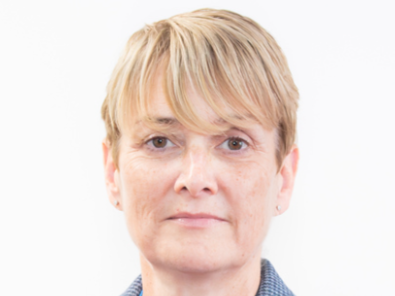
Elaine Clancy is the former Group Chief Nursing Officer at gesh and is now the Chief Nurse and Quality Officer for South West and South East London ICBs.
In an opinion piece for the Nursing Times, Elaine has written about why it’s important for colleagues to speak up if they have concerns.
She said: “It goes without saying that, for anyone working in healthcare, patient safety comes above everything else – and as a nurse, I know it’s something our profession takes extremely seriously. But a strong safety culture depends on people at every level feeling able to say when something doesn’t look or feel right – regardless of their profession, band or seniority.
“When I think about all the patient safety issues I’ve come across in my career, they generally didn’t happen because someone didn’t take pride in their care, or because they didn’t know what they were doing – it was because they didn’t feel confident speaking up when something wasn’t right. Or even worse – they did speak up, but they weren’t listened to.
“Do we welcome challenge? Do we make it safe for someone more junior to disagree with us? And do we act on what we hear? As I look forward to my new role as Chief Nurse and Quality Officer for South West and South East London ICBs, I urge nurses and midwives to make sure their voices are heard – but I equally urge healthcare leaders to actively seek out those voices and listen to them.
“Speak up in team meetings. Talk to your senior nurses. Use Datix when you need to – but don’t only speak up when something has gone wrong. Tell us what you think could be better. Share your ideas. Challenge something if it doesn’t feel right. Tell us what you’re seeing every day with patients.
“We fail to listen to nurses and midwives at our peril – they spend more time with our patients than almost anyone else, and remain the UK’s most trusted profession. They see and notice things that others don’t. So why do I often hear that our nurses don’t feel their voice is being heard?
“Whenever I speak with our nurses and midwives at St George’s, Epsom and St Helier (gesh), I hear thoughtful opinions, inspired ideas and important insights about the care we provide, the way we do things and how we treat each other. But sometimes I also hear: “Nobody will listen to me.”
“That should concern all of us.
“When I first arrived at gesh, I remember being briefed on an important piece of work and asking a simple question: where is the nursing voice?
“There are around 8,000 nurses, midwives and AHPs across our hospital group. They are an enormous and hugely respected part of our organisation – so it would be remiss not to use their unique perspectives to help shape our culture and behaviours. We need them around the table for any changes affecting our organisation and the care we deliver – we should be actively seeking out their voices.
“They can tell us what those changes will mean for patients and for the people providing their care. Respect matters. Deference can be dangerous.
“Healthcare is hierarchical. That hierarchy can exist between a junior and senior nurse, a trainee and consultant, or a frontline colleague and an Executive. When it comes to teamwork, respect is essential – but deference can be dangerous. The danger comes when seniority makes someone reluctant to ask a question or challenge a decision.
“Good care comes from doctors, nurses, midwives, AHPs and all our other professions working together, respecting each other’s expertise and being prepared to challenge each other when something doesn’t feel right. Your job title should never determine whether a valid concern is taken seriously.
“And the responsibility doesn’t sit only with the person speaking up. Those of us in senior positions have a responsibility to create the conditions for people to challenge us. We need to ask for different views, listen without being defensive and show through our actions that speaking up makes a difference.
“At gesh, part of my role as Group Chief Nursing Officer has been to make sure nurses’ and midwives’ voices throughout the organisation reach the places where decisions are made – but we can only act on what we are told. gesh is full of brilliant people doing great things for patients, and I’ve seen real progress.
“We’ve strengthened our nursing structures, supported new leadership in midwifery, introduced a quality improvement and governance plan, made huge efforts to turn around our CQC ratings at Epsom and St Helier, and seen St George’s make important improvements too.
“My final message is a simple one – Don’t underestimate the value of what you know and what you have to say. And if you’re in a position of authority, don’t underestimate the importance of making it safe for someone to disagree with you.
“Speak up. Listen. Ask questions. Welcome challenge. Our patients are counting on it.”