

Breathlessness and cancer
On this page:
Breathlessness, or shortness of breath, is common for people with cancer. It can be caused by the cancer itself, cancer treatments or other health conditions. Breathlessness can impact on daily life and can make some activities harder.
To learn more about breathlessness, this recorded workshop will provide additional information and guidance to help support the management of your breathlessness.
LINK
Self management
The cancer and breathlessness leaflet we have developed provides practical advice and self-management tips.
Tips to help you recover from episodes of breathlessness – Positions of ease
These positions support the muscles in the body that help us with our breathing.
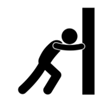
Lean forward and rest your elbows on the wall, banister, windowsill or chair back in front of you

In sitting, lean forward and rest your elbows on your knees or on a table in front of you.

Stand about 30cm from a wall. Lean backwards and rest against the wall.

Lie on your side. Support your head and neck with pillows. It may be helpful to also have a pillow between your legs.
Breathing techniques.
The guide above outlines different techniques to support your breathing
- To help you with healthy energy efficient breathing patterns
- To help you to recover quicker from episodes of breathlessness
Breathing Control
The aim is to move from faster breathing in your chest to relaxed, slow breathing down into your tummy using a muscle called the diaphragm.
Take slower breaths, in through your nose down into your tummy, then gently breathe out. Do not force your lungs to empty.
You may find it helpful to rest your hand on your tummy as you do this, feel it rise and fall gently with each breath
Using a hand held fan
The flow of cool air on your face can help to reduce the sensation of breathlessness.
Daily activities
You may find it helpful to sit down during the activity. Taking frequent breaks and pacing yourself can help to control your breathlessness.
Sex and intimacy
Breathlessness can impact on intimacy. Try to have sex after you have rested and your breathing is more comfortable. There are positions that put less pressure on the chest and may feel more comfortable. See Asthma and Lung UK for additional information.
Panic and breathlessness
Breathlessness can often cause a normal and understandable emotional response, such as anxiety. However, this can trigger unhelpful thoughts, physical symptoms of anxiety and further shortness of breath – this becomes a vicious cycle. Using techniques to support anxiety management can help with breathlessness. Please see the stress and anxiety pages for more information.
Resources
Managing breathlessness booklet from Macmillan
Managing breathlessness audiobook from Macmillan