
Ratings raised at St George’s as CQC recognises improvements in emergency care
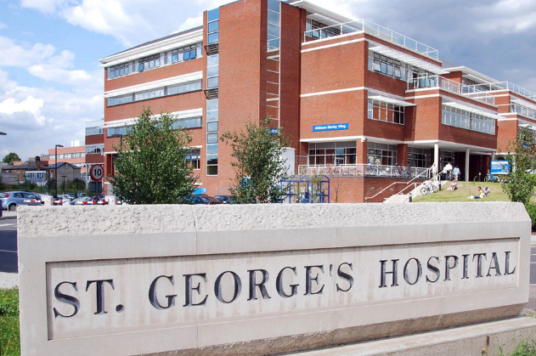
The Care Quality Commission (CQC) has upgraded the rating of Urgent and Emergency Care services at St George’s Hospital, lifting the previous rating of inadequate after recognising significant improvements.
The inspection followed concerns raised in late 2024 when a warning notice was issued. The CQC has now confirmed there are no remaining breaches of regulation, marking a major milestone for teams across the Emergency Department.
While the overall rating for urgent and emergency services, and for the Trust as a whole, remains ‘Requires Improvement’, the latest inspection shows the decisive and clinically-led actions put in place to ensure patient safety are working, with further progress underway.
Kate Slemeck, Managing Director at St George’s said:
“This inspection shows the real impact of our teams’ hard work and focus on improvement. There is a strong commitment from all to continue this improvement journey. Our urgent and emergency care services are renowned for the life-saving and expert treatment our teams provide, and will continue to embed new policies, documentation and digital systems building confidence that the CQC will recognise even greater improvements in the next inspection.”
What’s improved
The CQC highlighted a number improvements following their inspection between January and February this year:
- Stronger, safer systems of care
New escalation processes, improved oversight in the waiting area and updated staffing models have improved patient flow and triage safety. Streaming waits have fallen from an average of 27 minutes to just 5 minutes – well below the national 15‑minute target.
- Improved documentation and clinical monitoring
Audit data showed consistently strong compliance with triage and nursing documentation standards, above the Trust target of 90% and improvements in National Early Warning Scores and wider assessments.
- Better medicines safety
Time‑critical medicines are more accessible, electronic prescribing has improved, and targeted training has reduced errors. Pharmacy support has been strengthened, with seven‑day provision under development.
- Good progress in governance and GDPR compliance
Governance has been reinforced to keep information safe and secure, including reducing the automatic computer lock‑outs to three minutes and introducing a new “tap‑and‑go” login system. GDPR training compliance now stands at 94%, above the Trust target.
Where further progress is needed
The CQC found evidence of a good standard of care with safe systems in place, but not all improvements had been fully embedded in practice to ensure the service is always safe.
Inspectors identified further improvements needed to be made to ensure the right systems were in place to reduce any risk of patients being harmed. This included making sure risk assessments were fully completed for all patients, fully embedding of new safety and digital processes, and closing the gaps in 7 day pharmacy coverage,
The CQC also found that not all staff in the service were aware of changes to important policies, and observed some patients being allowed to take medicines themselves against the Trust’s self-administration policy.
Work is now underway to strengthen improvement plans in response to the CQC’s findings, including refresher training to ensure consistent adherence to medication policies. The full inspection report can be found on the CQC website.