 Go to Homepage

Fertility and cancer
| Updated 30 Mar 2026
Fertility means being able to get pregnant or make someone pregnant. Some cancer treatments such as chemotherapy, radiotherapy, and some surgeries may impact fertility. It can be difficult to think about fertility and the future at the time of a cancer diagnosis, but it is important to think about this …
Continue reading
Continence tips
| Updated 11 May 2026
It is believed that 1 in 5 people in the UK are impacted by incontinence. There are many reasons why we might experience incontinence at different stages of life e.g. after giving birth or after surgery. Cancer and cancer treatments can increase the risk of incontinence. Just because incontinence is …
Continue reading
Bowel symptoms
| Updated 11 May 2026
Cancer treatments can cause a range of bowel symptoms including constipation, urgency, and pain. These symptoms might be a result of the cancer itself, treatments such as chemotherapy or radiotherapy, or medications such as hormone suppressors or pain relief. Below we offer some advice on these symptoms and how to …
Continue reading
Body image concerns
| Updated 31 Mar 2026
Treatment for cancer can change what a person’s body looks like, either temporarily or permanently. This may include the removal of body parts, changes in the shape of body parts, new scars or skin changes, weight loss or gain, loss of muscle, changes to posture, the addition of new medical …
Continue reading
Supporting Pelvic Health & Abdominal Related Cancer Concerns (SPARC)
| Updated 28 Apr 2026
SPARC is a service at St George’s designed with patients to provide support and guidance for people who experience concerns because of their cancer or cancer treatment that affect their pelvic and abdominal area.
Continue reading
Bladder symptoms
| Updated 11 May 2026
Cancer treatments can cause a range of bladder symptoms including urgency, frequency, leaking, and pain. These symptoms might be a result of the cancer itself, treatments such as chemotherapy or radiotherapy, or other medications. Below we explain what these symptoms are and offer some advice on how to help manage …
Continue reading
Information for Health Professionals
| Updated 6 Feb 2026
Gastroenterology Pre-referral Guidance The guidance below has been agreed by the South West London Gastroenterology clinical network, consisting of gastroenterology consultants and GPs, to aid in managing patients with gastro-intestinal symptoms across primary and secondary care. Please note that St George’s Hospital does not currently offers direct access flexible sigmoidoscopy for …
Continue reading
Resuscitation courses
| Updated 12 Apr 2026
St George’s Resuscitation Services provide a range of advanced national training courses designed to equip healthcare professionals with the skills needed to manage critically ill patients.
Epilepsy Surgery
| Updated 9 Mar 2026
Introduction We run an epilepsy surgery programme at St George’s for certain people with difficult to treat seizures (also known as drug-resistant epilepsy). An excellent introduction to epilepsy surgery is available from the Epilepsy Society (https://epilepsysociety.org.uk/about-epilepsy/treatment/epilepsy-and-brain-surgery) and Epilepsy Action (https://www.epilepsy.org.uk/info/treatment/surgery/adult). An introduction to the new neuromodulatory devices on offer for …
Continue reading
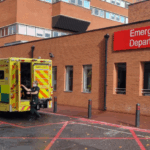
ED PPIE Team
| Updated 9 Dec 2025
Welcome to the St George’s Emergency Department Collaborative Research Group Patient and Public Involvement Hub. Quick Links: PPIE Contact Details Form – please ensure you complete this form if you are interested in taking part! Who are the Emergency Department Collaborative Research Group (EDCRG)? We are a research group based …
Continue reading