
Common-combo of issues brings bleak start to the new year
The new year has brought a new wave of pressures – as hospitals face the triple threat of cold weather, winter viruses, and high numbers needing specialist care.
As of Sunday 4 January, 45 beds at St George’s, Epsom and St Helier hospitals were occupied by patients with flu.
Some beds have also had to be closed due to the infection and other illnesses like norovirus.
It comes as NHS England issued a warning that Christmas and New Year gatherings may have caused a bounce back in winter viruses – and that the worst is “far from over”.
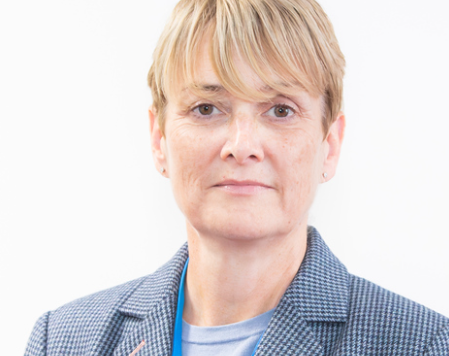
Elaine Clancy, Group Chief Nurse for St George’s, Epsom and St Helier University Hospitals and Health Group, said: “It’s been a bleak start to the new year as, like other hospitals up and down the country, we’re seeing some very sick patients come to our hospitals – and the cold weather and winter illnesses are having a real impact.
“Don’t make the mistake of thinking flu is just a bad cold – these figures show the infection can make people seriously ill, and I’d urge people to take steps to ensure they and their loved ones don’t suffer.”
Getting vaccinated, washing hands, and staying home when displaying symptoms can all prevent the spread of flu and other winter illnesses.
People can also take steps to help themselves by keeping warm in the colder weather by heating homes to at least 18C in key rooms and wrapping up when going outside.
Checking in on vulnerable friends, family and neighbours, and ensuring they have food, medication, and warm clothing, is also recommended.
Meanwhile, people are advised to always use the most appropriate service for their health need – such as NHS 111 online, a 24/7 service for urgent medical problems – to keep emergency departments for the sickest and most seriously injured patients.
Pharmacists can advise on a range of minor illnesses and can advise if a doctor is needed.
And the NHS website contains advice on conditions and other important health information.